English Muffins

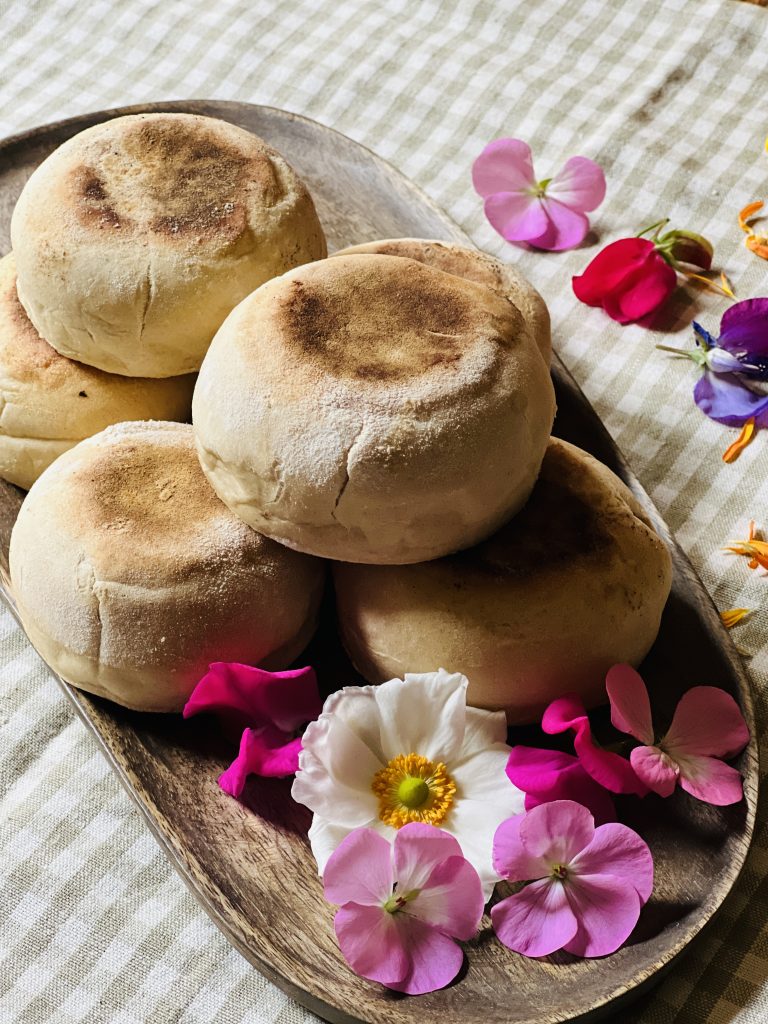
There’s something quietly satisfying about making your own English muffins at home. Fluffy and soft inside, with a golden, crisp surface, these muffins are a simple treat that feel a bit special. You don’t need an oven or special equipment, just a pan and a little patience.

This recipe is approachable for anyone, even if you’ve never made bread before. The dough comes together quickly and rises in about an hour, so you won’t be waiting all day. Whether you enjoy these English muffins fresh from the saucepan, toasted with butter, homemade jam, made into a sandwich or alongside your favourite meal, they have a comforting homemade quality that store-bought just can’t match.

If you’ve ever thought about trying to make English muffins yourself, now’s the perfect time. With straightforward steps and simple ingredients, you can bring fresh, homemade muffins to your kitchen table, and trust me, once you try them, you won’t want to go back!
Main Ingredients You’ll Need to Make English Muffins

bread flour for English muffins

Flour

Use strong white bread flour if switch to spelt or wholemeal bread flour if you prefer.

milk for English muffins

Milk

I use dairy but oat milk will work well too if you’re diary free.

salt for English muffins

salt

Fine sea salt is best.

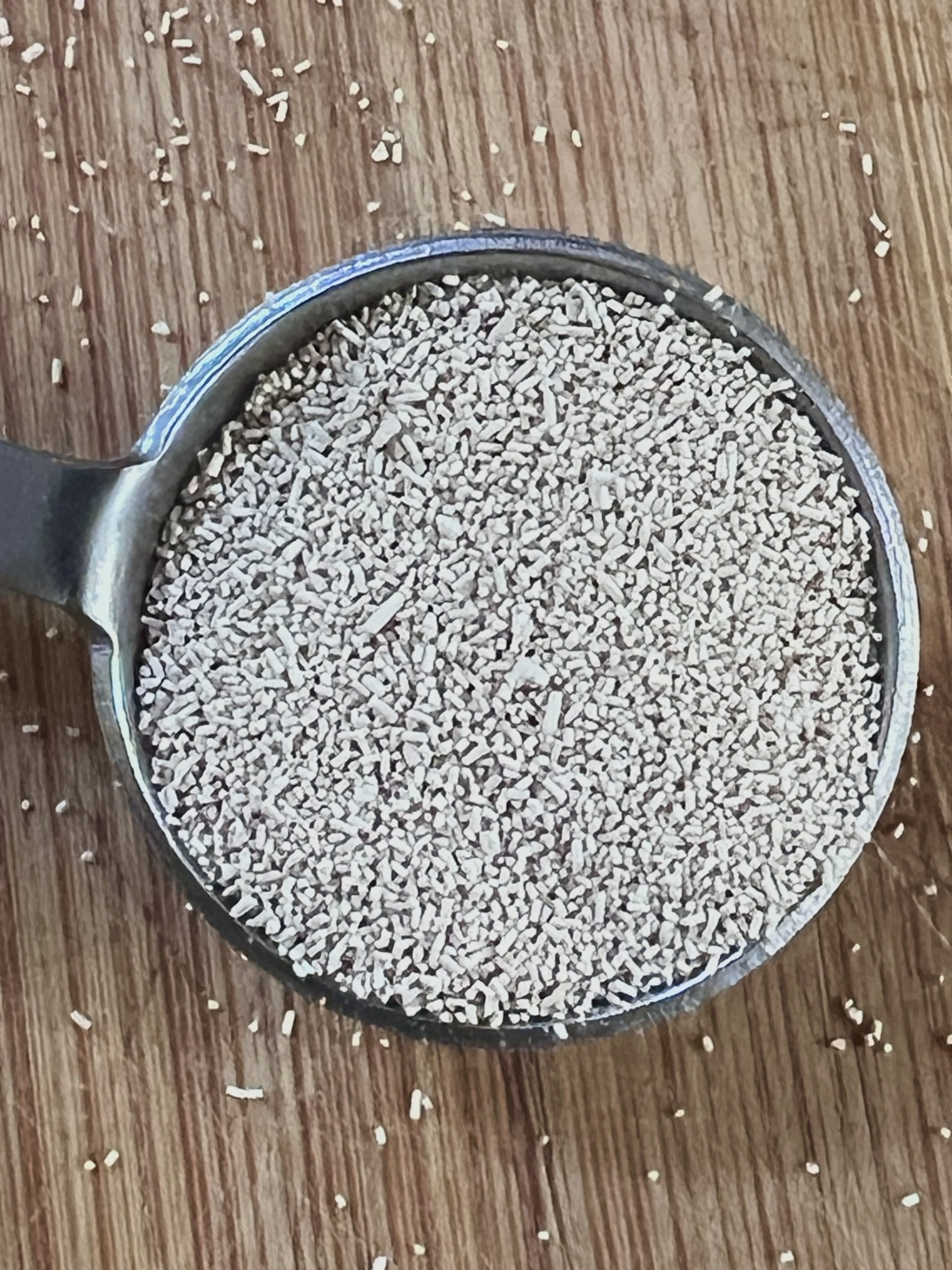
yeast

fast-action yeast

Using fast-action yeast means a shorter rise time.

Questions

  • Can I use regular yeast instead of fast-action yeast?
    Yes, you can use regular (active dry) yeast, but you’ll need to proof it first by dissolving it in warm water or milk with a pinch of sugar and waiting about 5–10 minutes until it’s foamy. The rise time might also be a bit longer.
  • Do I have to cook the muffins on the stovetop, or can I bake them?
    Traditional English muffins are cooked on the stovetop to get that characteristic crisp surface and soft inside. You can bake them, but the texture and crust will be different, more like regular bread rolls.
  • Why aren’t my muffins rising as much as I expected?
    This can happen if the yeast is old or inactive, the milk or water was too hot or cold, or the dough didn’t have enough time to rise. Make sure to use fresh yeast, keep liquids lukewarm (around 37°C/98°F), and allow the dough to rest in a warm spot for 60-90 depending on the temperature of your kitchen.
  • How should I store leftover muffins?
    Store leftover English muffins in an airtight container or a resealable bag at room temperature for up to 3 days. For longer storage, slice and freeze them then toast or warm directly from frozen when you’re ready to eat.
  • Can I make these English muffins gluten-free?
    You can, but gluten-free flours behave differently and usually need additional binding agents like xanthan gum or psyllium husk to help mimic the texture of gluten. Gluten-free doughs often require more liquid and a gentler handling. There are specific gluten-free English muffin recipes out there that will give better results than simply swapping the flour in this recipe.
  • Can I make these English muffins vegan?
    Yes! To make them vegan, simply swap the whole milk for a plant-based alternative like oat, almond, or soy milk (preferably unsweetened and unflavoured). The recipe works just as well without any animal products.
  • What type of flour is best for making English muffins?
    Strong white bread flour is ideal because it has a higher protein content, which helps develop gluten and gives the muffins their characteristic chewy texture. You can use plain (all-purpose) flour if needed, but the muffins might turn out softer and less structured. Read more about using different types of flour here.
  • What if I don’t have semolina. Can I use something else?
    Yes, if you don’t have semolina, plain flour works just fine for dusting. Semolina gives the muffins a slightly crisp, golden crust on the outside, but flour will still prevent sticking and give you a soft, smooth finish. You can also try cornmeal or fine polenta for a similar texture.

English Muffin Instructions:

  1. In a large mixing bowl, combine the flour, sugar, yeast, and 1 tsp of salt. Gradually pour in the warm milk, using your hands to mix until a soft dough forms.
  2. Knead the dough on a lightly floured surface for 8–10 minutes, until it becomes smooth. You can also do this in a stand mixer with a dough hook if you prefer.
  3. Roll the dough out to about 1cm thick. Use a 7.5cm round cutter to cut out circles, gathering and re-rolling any leftover dough to get about 8 muffins.
  4. Place the dough rounds on a baking tray dusted with semolina or plain flour. Sprinkle the tops with a little more semolina (or plain flour), cover loosely with a tea towel, and leave to rise in a warm place for around 60-90 minutes, or until doubled in size.
  5. Heat a heavy frying pan over a medium heat. Cook the muffins in batches for about 5-6 minutes per side, until golden brown and cooked through. If they start browning too fast, reduce the heat to ensure the centres cook properly. If your crusts start browning too quickly you can put them in the oven on 180°C for 4-5 minutes to finish off cooking in the middle.
  6. Transfer to a wire rack to cool slightly. These muffins are best served warm, but once cooled, they can be stored in an airtight container for up to 3 days.
English Muffins

English Muffins

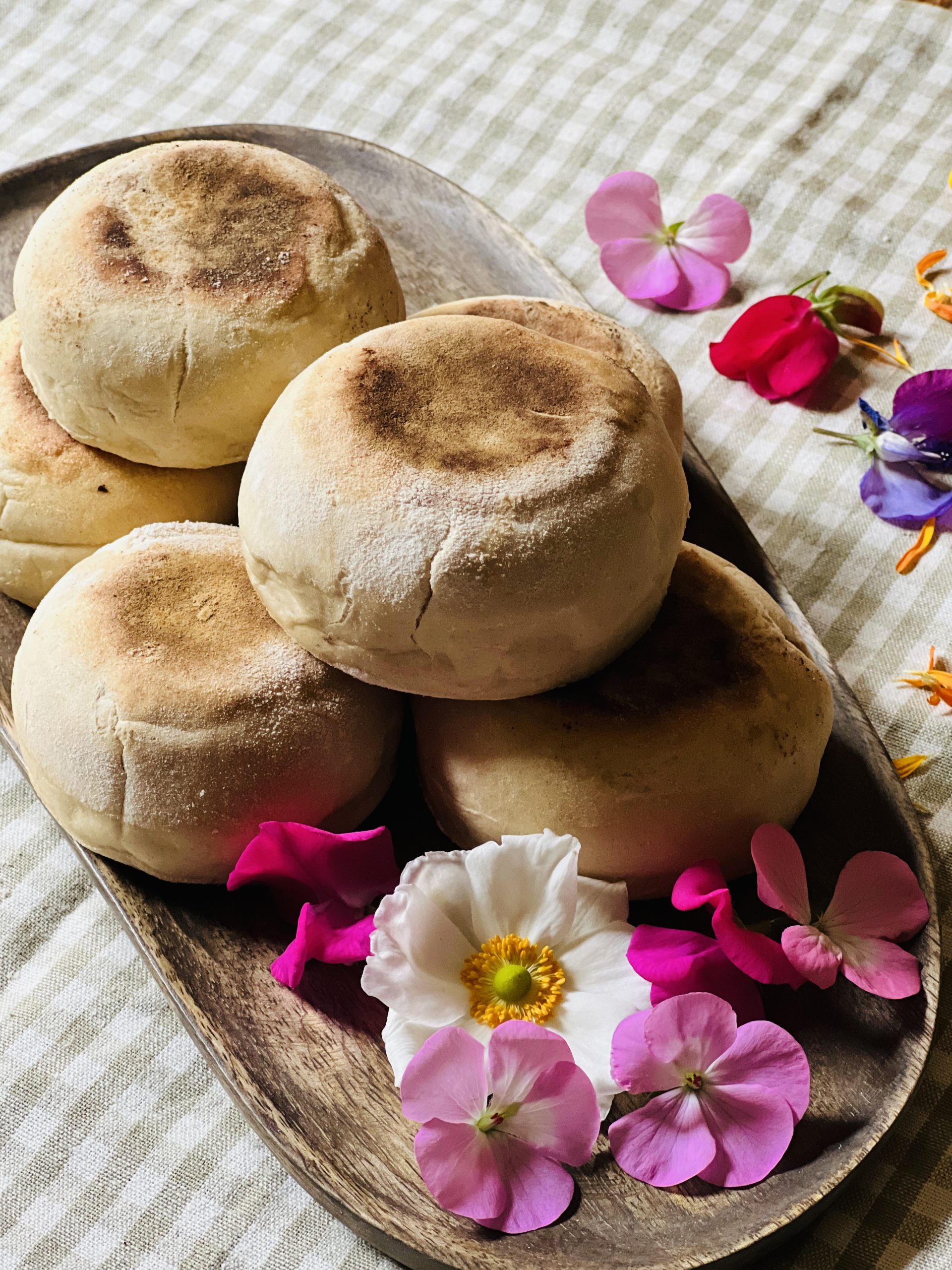
These classic English muffins are soft, golden, and cooked entirely on the stovetop. Perfect for toasting, splitting, or layering with sweet or savoury toppings. With just a few simple ingredients, you’ll have beautifully fluffy muffins that are miles better than store-bought.
Prep Time 20 minutes
Proof Time 1 hour
Total Time 1 hour 40 minutes
Servings: 8
Course: Breakfast

Ingredients
  

  • 450 g (3 2/3 cups) White Bread Flour
  • 1 tsp Caster Sugar
  • 1 1/4 tsp Fast action dried yeast
  • 280 ml Milk
  • semolina or four for dusting

Equipment

  • 1 Large mixing bowl
  • 1 Rollling pin
  • 1 Digital scales
  • 1 7.5cm round cutter
  • 1 Baking tray
  • 1 Clean tea towel
  • 1 Heavy based frying pan
  • 1 Wire rack
  • 1 Stand mixer with dough hook optional

Method
 

  1. In a large mixing bowl, combine the flour, sugar, yeast, and 1 tsp of salt. Gradually pour in the milk, using your hands to mix until a soft dough forms.
  2. Knead the dough on a lightly floured surface for 8–10 minutes, until it becomes smooth and elastic. You can also do this in a stand mixer with a dough hook if you prefer
  3. Roll the dough out to about 1cm thick. Use a 7.5cm round cutter to cut out circles, gathering and re-rolling any leftover dough to get about 8 muffins
  4. Place the dough rounds on a baking tray dusted with semolina (or flour). Sprinkle the tops with a little more semolina (or flour), cover loosely with a clean tea towel, and leave to rise in a warm place for around 60-90 minutes, or until doubled in size.
  5. Heat a heavy frying pan over medium heat. Cook the muffins in batches for about 5-6 minutes per side, until golden brown and cooked through. If they start browning too fast, reduce the heat to ensure the centres cook properly. If they brown too much and not quite cooked all the way through, put in oven for 4-5 mins on 180°C to finish cooking them through.
  6. Transfer to a wire rack to cool slightly. These muffins are best served warm, but once cooled, they can be stored in an airtight container for up to 3 days.
Notes

Recipe Notes

Make it vegan: Swap the milk for a plant-based alternative like oat or soy milk.
Don’t have semolina? Use plain flour or fine cornmeal for dusting instead. They’ll still prevent sticking and give a good texture.
Flour tips: Strong white flour (bread flour) gives the best texture, but plain (all-purpose) flour will work in a pinch, the muffins may be slightly softer.
Freezing: Once cooked and cooled, English muffins freeze well. Split and toast straight from frozen.

Similar Posts

Leave a Reply

Your email address will not be published. Required fields are marked *

Recipe Rating